

Op shops were once considered the domain of grannies and mothballs, but thankfully that stigma has changed; there’s even a song about thrift shopping (thanks Macklemore). Finding exclusive op shop items brings more meaning to the object, because we can celebrate it for its uniqueness and rarity. It’s a great feeling when someone compliments you on a piece of clothing, asks where it’s from, and you get to say, “the Op shop”. Suddenly you are considered cool and a person who knows how to shop. As an Art teacher, despite my best efforts, my clothes are always getting covered with paint and various other media. So the idea of dressing “corporate” for work, which can come along with a price tag, seemed like a waste of money. I had always been an Op shopper (I love the hunt for a great bargain), but since being on my Little Foot journey I have found myself frequenting them more and more often, and being more and more surprised at what you can find there.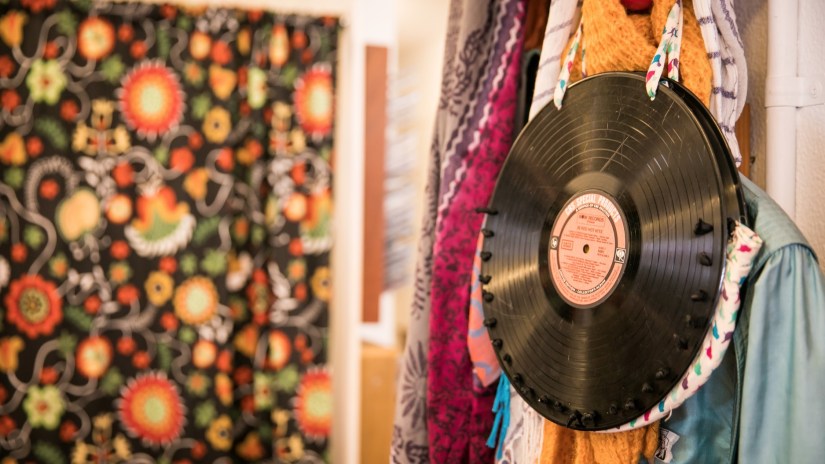
Here are a few tips from me in no particular order.
- You have to walk in there with an open mind:you never know what you’re going to find.
- Be prepared to walk out with nothing: Instead of being enticed by the low prices, think carefully about what your wardrobe or home truly needs. You don’t HAVE to purchase anything if there is nothing tickling your fancy. Sometimes it takes a few visits to strike gold.
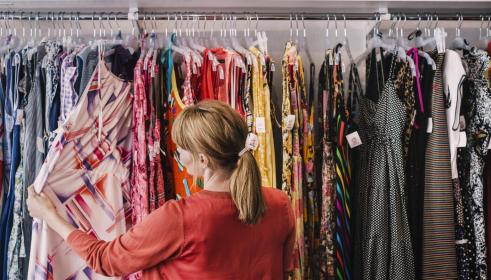
- Spend the time hunting: I know that racks and racks of clothing and shelves of used objects can be overwhelming, but some of the best stuff I have found has been at the bottom of the pile.
- Look for quality: I scan racks for specific natural fabrics such as linen, silk, cotton and wool.
- Ask when the fresh stock hits the floor: mid-week seems to be consistent with the restock of op-shops in my area, and when you know what day that is, it’s easy to pop in there on the way home from work.
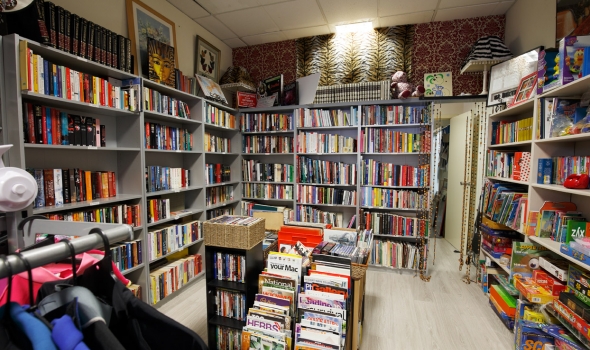
- It’s not just for clothing: don’t overlook other departments. Op shops are overflowing with pre-owned but perfectly functional pots, cutlery, and dishes. And don’t forget, many of us read a book once before retiring it to a shelf forever, so why not buy a used copy instead of a new edition? Get in the habit of browsing local thrift stores for all your shopping needs.
Become an ethical consumer; Op Shop fashion is good for the environment. Recycle, up-cycle, or reinvent items to break the cycle of fast fashion and keep them out of landfill. Every year the Salvation Army stores divert 15000 tonnes of clothing from landfill.
The Salvation Army, St Vincent de Paul, The Smith Family and other charitable organisations, endorse the environmental benefits of op shopping.
In terms of community, many op shops are attached to a charity and money raised from sales goes into supporting their services and programs for the community.
Really, Op Shopping is a fantastic option for taking a little step in the right direction for a more sustainable lifestyle.

 Little Foot