

 We live in a humid environment pretty much all year round here on the Sunshine Coast, Qld, Australia, but especially during our summers in the storm season. I have leather shoes that have grown spectacular specimens of mould; veritable living forests. It was around this time of year my husband started working nights and became a Day Sleeper. Of course this comes with its own challenges, the biggest is trying to sleep when everyone else is awake and noisy. This meant that our usually open windows had to be closed with the curtains drawn to keep both noise and light, the day sleeper’s worst enemies, out. And so the mould grew, and the smell was incredible. I would come home from work to wake my day sleeper and couldn’t believe how he was sleeping in a room that I could barely walk into. It couldn’t be a healthy environment, and the more I looked into the environment around our homes, the more I understood I had to do something about it.
I knew that plants clean the air, so I did some research and turned to NASA’s Clean Air Study for guidance: https://www.youtube.com/watch?v=lPNYdSZRSdg
House plants filter the air and remove nasties like benzene (plastics, detergents, paint & furniture wax), formaldehyde (plywood panelling, synthetic fibres like on your couch and in your carpet), trichlorethylene (paints, varnishes), xylene (rubber, leather & paint) and ammonia (cleaning products)- chemicals that are linked to negative health effects like headaches, dizziness, eye irritation and others. Turns out NASA recommend having at least 1 plant per 100 square feet (10 square meters).

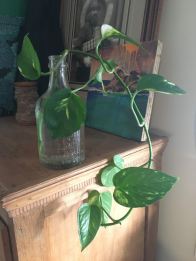
Here is a list of the top 10 plants that NASA recommends for purifying the air in your home. I have all of these- they’re easy to grow, take little care and create a beautiful
atmosphere in your home. I even have some in my office at work now. This Devil’s Ivy is so great- just snip off a long arm and pop it into some water and it grows and grows. They make a lovely living gift too, especially in a gorgeous bottle.
Get some green in your home!

 Little Foot